


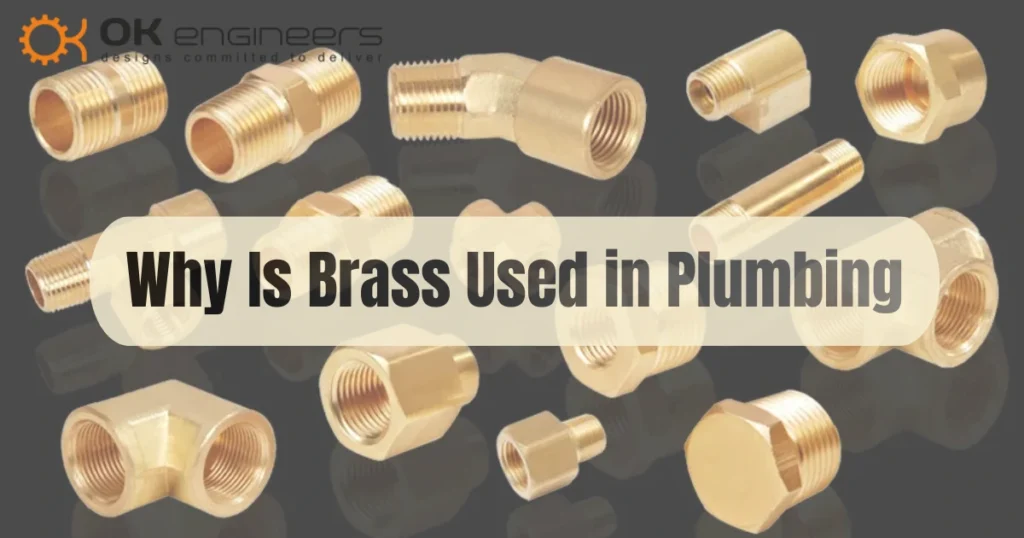
When homeowners, contractors, and engineers ask Why Is Brass Used in Plumbing, they’re really asking something deeper: What makes brass the trusted material behind safe, durable water systems?At OK Engineers, we’ve worked with plumbing components for years, and brass continues to be one of the most reliable and versatile materials in the industry. In this comprehensive guide, we’ll break down exactly why brass remains essential in modern plumbing systems, backed by 2026 data, industry standards, and practical insights.
What Is Brass?
Brass is a metal alloy made mainly of copper and zinc. By adjusting the zinc content, manufacturers can change its strength, flexibility, and resistance to corrosion.
Unlike pure copper, brass is:
- Stronger
- More durable under pressure
- Easier to machine
- Resistant to dezincification (in modern low-lead grades)
In plumbing, brass is commonly used for:
- Valves
- Fittings
- Faucets
- Connectors
- Water meters
- Compression fittings
According to the International Copper Association (2026 report), over 60% of metal plumbing fittings worldwide contain brass alloys due to their balance of strength and corrosion resistance. This explains why brass used in plumbing remains dominant even as new materials enter the market.
Why Is Brass Used in Plumbing?
So, Why Is Brass Used in Plumbing systems across homes, hospitals, and industrial facilities?
Because it offers:
- Excellent corrosion resistance
- High durability under pressure
- Compatibility with hot and cold water
- Safe drinking water compliance
- Easy installation
- Long service life
Simply put, brass handles water exposure better than many metals. It doesn’t rust like steel. It doesn’t become brittle like some plastics. And it withstands temperature changes well. If you ask a plumber, Why Is Brass Used in Plumbing so often? The short answer is: reliability. And in plumbing, reliability is everything.
Physical and Chemical Properties That Make Brass Ideal
Understanding Why Is Brass Used in Plumbing requires looking at its physical properties.
Key Properties of Plumbing Brass
| Property | Benefit in Plumbing |
| Corrosion resistance | Prevents pipe failure |
| High tensile strength | Handles water pressure |
| Thermal conductivity | Good for hot water systems |
| Malleability | Easy to shape and install |
| Antimicrobial surface | Reduces bacterial growth |
Brass typically contains 55–70% copper. Copper itself has natural antimicrobial properties. This helps reduce bacteria buildup in potable water systems.
Modern plumbing-grade brass also includes small amounts of:
- Tin
- Aluminum
- Silicon
These additions improve resistance to dezincification, especially in areas with hard or acidic water.
Corrosion Resistance: The Biggest Reason
If you still wonder, Why Is Brass Used in Plumbing, corrosion resistance is the biggest factor.
Water contains:
- Oxygen
- Minerals
- Chemicals
- pH variations
These elements can destroy weak metals over time.
Brass forms a protective oxide layer when exposed to water. This layer:
- Prevents internal rust
- Slows chemical breakdown
- Extends lifespan
Brass vs Other Metals in Corrosion
| Material | Rusts Easily? | Lifespan in Water |
| Steel | Yes | 5–15 years |
| Iron | Yes | 10–20 years |
| Copper | Moderate | 40–70 years |
| Brass | Very Low | 50–70+ years |
This durability explains why brass used in plumbing remains a top choice in 2026.
Strength and Durability Under Pressure
Plumbing systems operate under pressure. In residential systems, pressure ranges between 40–80 PSI. In commercial systems, it can be even higher.
Brass:
- Withstands pressure without cracking
- Handles temperature shifts
- Maintains thread integrity
Unlike plastic fittings, brass does not deform under high heat. This makes it ideal for:
- Boilers
- Water heaters
- Industrial piping
That’s another reason experts continue asking and answering: Why Is Brass Used in Plumbing? Because it performs under stress.
Health and Safety Standards in 2026
Drinking water safety is critical.
Modern brass fittings comply with:
- NSF/ANSI 61 standards
- Lead-free requirements (<0.25% lead)
- EPA Safe Drinking Water Act
In 2026, new global standards emphasize low-lead and dezincification-resistant (DZR) brass alloys. At OK Engineers, we ensure all brass products meet international potable water regulations. Many people ask via voice search: “Is brass safe for drinking water?” Yes — when certified and lead-free. This safety profile is another answer to Why Is Brass Used in Plumbing worldwide.
Brass vs Copper vs PVC: What’s Better?
Let’s compare materials side by side.
| Feature | Brass | Copper | PVC |
| Corrosion Resistance | High | High | Moderate |
| Strength | Very High | Moderate | Low |
| Heat Resistance | Excellent | Excellent | Limited |
| Lifespan | 50+ years | 40+ years | 20–40 years |
| Cost | Moderate | High | Low |
PVC is cheaper. Copper is excellent but expensive. Brass offers a balance. That balance explains again Why Is Brass Used in Plumbing across residential and commercial sectors.
Types of Brass Used in Plumbing
Not all brass is the same.
Common Types:
- Red Brass (high copper content)
- Yellow Brass (balanced copper-zinc)
- Lead-Free Brass (drinking water systems)
- DZR Brass (dezincification-resistant)
If you want to understand the structural differences, explore the Difference Between Forging Brass vs Casting Brass to see how manufacturing impacts strength and durability. Forged brass fittings are generally stronger and used in high-pressure systems.
Where Is Brass Used in Plumbing Systems?
You’ll find brass in:
- Ball valves
- Gate valves
- Hose bibs
- Faucet bodies
- Compression fittings
- Backflow preventers
If you’re exploring material versatility, you may also review the Top 10 Common Uses of Brass to see how it extends beyond plumbing. Brass used in plumbing remains common because of its adaptability across applications.
How to Install Brass Fittings Properly
Correct installation increases lifespan.
Basic Installation Steps:
- Clean pipe threads
- Apply thread seal tape
- Hand-tighten fitting
- Use wrench for final tightening
- Avoid over-torquing
For plastic systems, refer to How to Use Brass Compression Fittings on Plastic Pipes to ensure compatibility and leak-free installation. Brass is forgiving but must be installed correctly.
Sustainability and Recycling Trends
In 2026, sustainability matters more than ever.
Brass is:
- 100% recyclable
- Energy-efficient to remelt
- Environmentally sustainable
According to the Global Metal Recycling Association (2026):
- Over 90% of brass plumbing scrap is recycled
- Recycling brass saves up to 60% energy compared to new production
This eco-friendly factor strengthens the case for Why Is Brass Used in Plumbing in modern green construction.
Cost Analysis: Is Brass Worth It?
Brass costs more than plastic but less than premium copper systems.
Long-Term Cost Comparison
| Material | Initial Cost | Maintenance Cost | Replacement Rate |
| PVC | Low | Medium | Higher |
| Copper | High | Low | Low |
| Brass | Moderate | Very Low | Very Low |
Because brass lasts decades, total lifetime cost is often lower. That’s why contractors consistently answer Why Is Brass Used in Plumbing? with “value over time.”
Conclusion
So, let’s answer clearly one more time: Why Is Brass Used in Plumbing?
Because it offers:
- Strength
- Corrosion resistance
- Long lifespan
- Safety compliance
- Sustainability
- Cost efficiency
Brass used in plumbing continues to outperform many alternatives in real-world conditions. At OK Engineers, we recommend certified brass fittings and valves for projects that demand reliability and long-term performance. If you’re planning a plumbing upgrade or sourcing industrial fittings, connect with OK Engineers today for expert guidance and premium-quality brass solutions.
FAQs
1. How long does brass plumbing last?
Typically 50–70 years or more with proper installation.
2. Is brass environmentally friendly?
Yes. It is fully recyclable and widely reused.
3. Can brass fittings crack?
Rarely. They are highly durable under normal pressure.
4. Is brass safe for hot water systems?
Yes. It handles high temperatures well.
5. Why Is Brass Used in Plumbing for valves?
Because it resists corrosion and maintains thread strength.
Why Is Brass Used in Plumbing Instead of Steel?
Steel rusts quickly when exposed to water. Brass resists corrosion.
Does brass corrode over time?
Very slowly. Modern DZR brass resists internal corrosion.